


New Arrival Russian Books — Download our ORDER FORM September 2026
- Art
- Biographical Fiction
- Biographies, Memoirs
- Cooking, Food, Wine
- Entertainment, Lifestyle, Family, Home
- Graphic Novels
- Health, Mind, Body
- History
- Language Learning Materials
- Literature, Fiction
- Mystery, Thrillers
- Philosophy, Politics, Social Sciences
- Reference, Scientific
- Religion, Spirituality
- Romance
- Russian Learning Textbooks
- Science Fiction, Fantasy
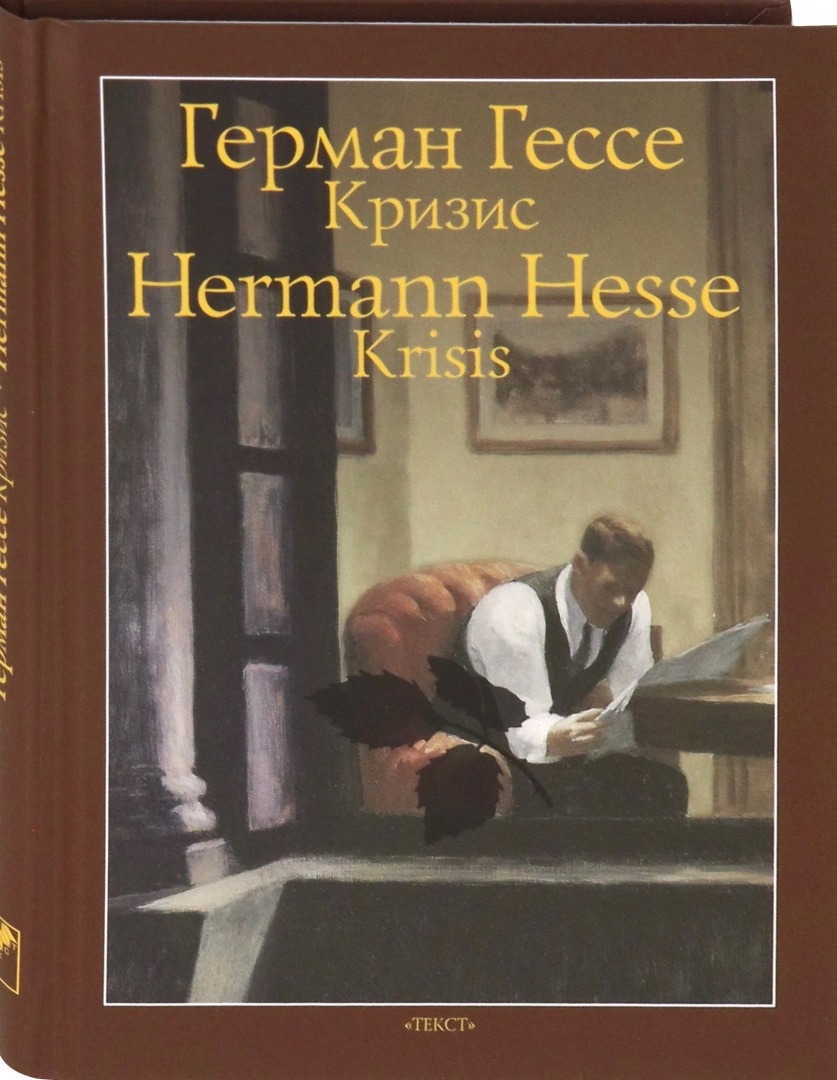
Кризис
/ Russian
Available: 10+
Language Collection: RUSSIAN
Цикл стихотворений Германа Гессе "Кризис" (1928) был написан будущим нобелевским лауреатом в период работы над знаменитым романом "Степной волк". По первоначальному замыслу автора некоторые из этих стихотворений должны были войти в роман и принадлежать перу Гарри Галлера, однако потом Гессе все-таки решил издать их под своим именем. Сборник без всяких оговорок можно назвать исповедальным - столько в нем жгучей боли, неприкрытого страдания, иронии и самоиронии. Из послесловия переводчика Е. В. Соколовой:"По счастью, еще до начала школьных годов мне удалось выучиться самому важному и незаменимому для жизни: мои пять чувств были бодрственны, остры и тонки, я мог на них положиться и ждать себе от них много радости…"(Г. Гессе. Краткое жизнеописание)Знаменитый к середине 1920-х годов автор "Демиана" (1919) и "Сиддхартхи" (1922) Герман Гессе (1877-1962) большую часть этих стихов написал зимой 1925 года, ночью, под утро, фиксируя ощущения и впечатления прошедшего дня. Параллельно, "как продолжение ночных стихов" (Гессе) рождался роман "Степной волк". Поначалу некоторые из стихотворений писатель собирался включить в него - в виде приложения к основному тексту, как стихи Гарри Галлера (подобно тому, как позднее дополнил "Игру в бисер" произведениями Йозефа Кнехта), однако на этот раз предпочел другой вариант. В 1927 году увидел свет "Степной волк", в текст которого вошли только два стихотворения - "Степной волк" и "Бессмертные", - а в 1928-м, вскоре после своего широко отмечавшегося пятидесятилетнего юбилея, Гессе опубликовал свои "ночные" стихотворения отдельной книжкой, тиражом в тысячу экземпляров.
T͡Sikl stikhotvoreniĭ Germana Gesse "Krizis" (1928) byl napisan budushchim nobelevskim laureatom v period raboty nad znamenitym romanom "Stepnoĭ volk". Po pervonachalʹnomu zamyslu avtora nekotorye iz ėtikh stikhotvoreniĭ dolzhny byli voĭti v roman i prinadlezhatʹ peru Garri Gallera, odnako potom Gesse vse-taki reshil izdatʹ ikh pod svoim imenem. Sbornik bez vsi͡akikh ogovorok mozhno nazvatʹ ispovedalʹnym - stolʹko v nem zhgucheĭ boli, neprikrytogo stradanii͡a, ironii i samoironii. Iz posleslovii͡a perevodchika E. V. Sokolovoĭ:"Po schastʹi͡u, eshche do nachala shkolʹnykh godov mne udalosʹ vyuchitʹsi͡a samomu vazhnomu i nezamenimomu dli͡a zhizni: moi pi͡atʹ chuvstv byli bodrstvenny, ostry i tonki, i͡a mog na nikh polozhitʹsi͡a i zhdatʹ sebe ot nikh mnogo radosti…"(G. Gesse. Kratkoe zhizneopisanie)Znamenityĭ k seredine 1920-kh godov avtor "Demiana" (1919) i "Siddkhartkhi" (1922) German Gesse (1877-1962) bolʹshui͡u chastʹ ėtikh stikhov napisal zimoĭ 1925 goda, nochʹi͡u, pod utro, fiksirui͡a oshchushchenii͡a i vpechatlenii͡a proshedshego dni͡a. Parallelʹno, "kak prodolzhenie nochnykh stikhov" (Gesse) rozhdalsi͡a roman "Stepnoĭ volk". Ponachalu nekotorye iz stikhotvoreniĭ pisatelʹ sobiralsi͡a vkli͡uchitʹ v nego - v vide prilozhenii͡a k osnovnomu tekstu, kak stikhi Garri Gallera (podobno tomu, kak pozdnee dopolnil "Igru v biser" proizvedenii͡ami Ĭozefa Knekhta), odnako na ėtot raz predpochel drugoĭ variant. V 1927 godu uvidel svet "Stepnoĭ volk", v tekst kotorogo voshli tolʹko dva stikhotvorenii͡a - "Stepnoĭ volk" i "Bessmertnye", - a v 1928-m, vskore posle svoego shiroko otmechavshegosi͡a pi͡atidesi͡atiletnego i͡ubilei͡a, Gesse opublikoval svoi "nochnye" stikhotvorenii͡a otdelʹnoĭ knizhkoĭ, tirazhom v tysi͡achu ėkzempli͡arov.
The cycle of poems by Hermann Hesse "Crisis" (1928) was written by the future Nobel laureate while working on the famous novel "Steppenwolf". According to the author's original plan, some of these poems were to be included in the novel and belong to the pen of Harry Haller, but then Hesse decided to publish them under his own name. The collection can be called confessional without any reservations - there is so much burning pain, undisguised suffering, irony and self-irony in it. From the afterword by translator E. V. Sokolova:"Fortunately, even before the beginning of my school years, I managed to learn the most important and irreplaceable thing for life: my five senses were awake, sharp and subtle, I could rely on them and expect a lot of joy from them..." (G. Hesse. Brief biography)Hermann Hesse (1877-1962), the famous author of Demian (1919) and Siddhartha (1922) by the mid-1920s, wrote most of these poems in the winter of 1925, at night, in the early morning, recording the sensations and impressions of the past day. In parallel, the novel Steppenwolf was born "as a continuation of night poems" (Hesse). At first, the writer was going to include some of the poems in it - as an appendix to the main text, like the poems of Harry Haller (just as he later supplemented the "Game of Beads" with the works of Joseph Knecht), but this time he preferred a different option. In 1927, Steppenwolf was published, which included only two poems, Steppenwolf and The Immortals, and in 1928, shortly after his widely celebrated fiftieth birthday, Hesse published his "night" poems in a separate book with a circulation of one thousand copies.
Already Purchased
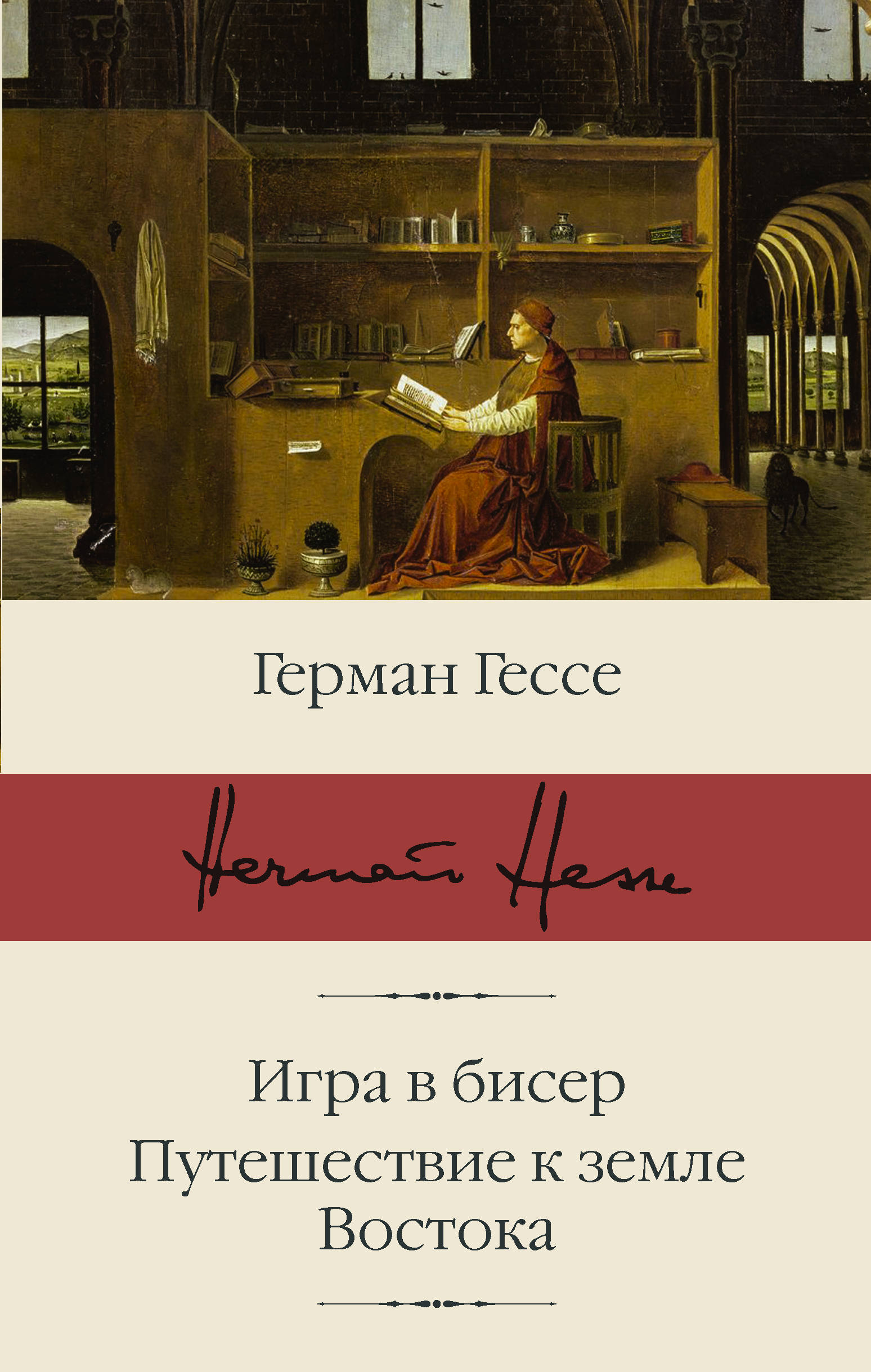
Игра в бисер. Путешествие к земле Востока
Language collection: Russian
$57.00
In Stock
Already Purchased
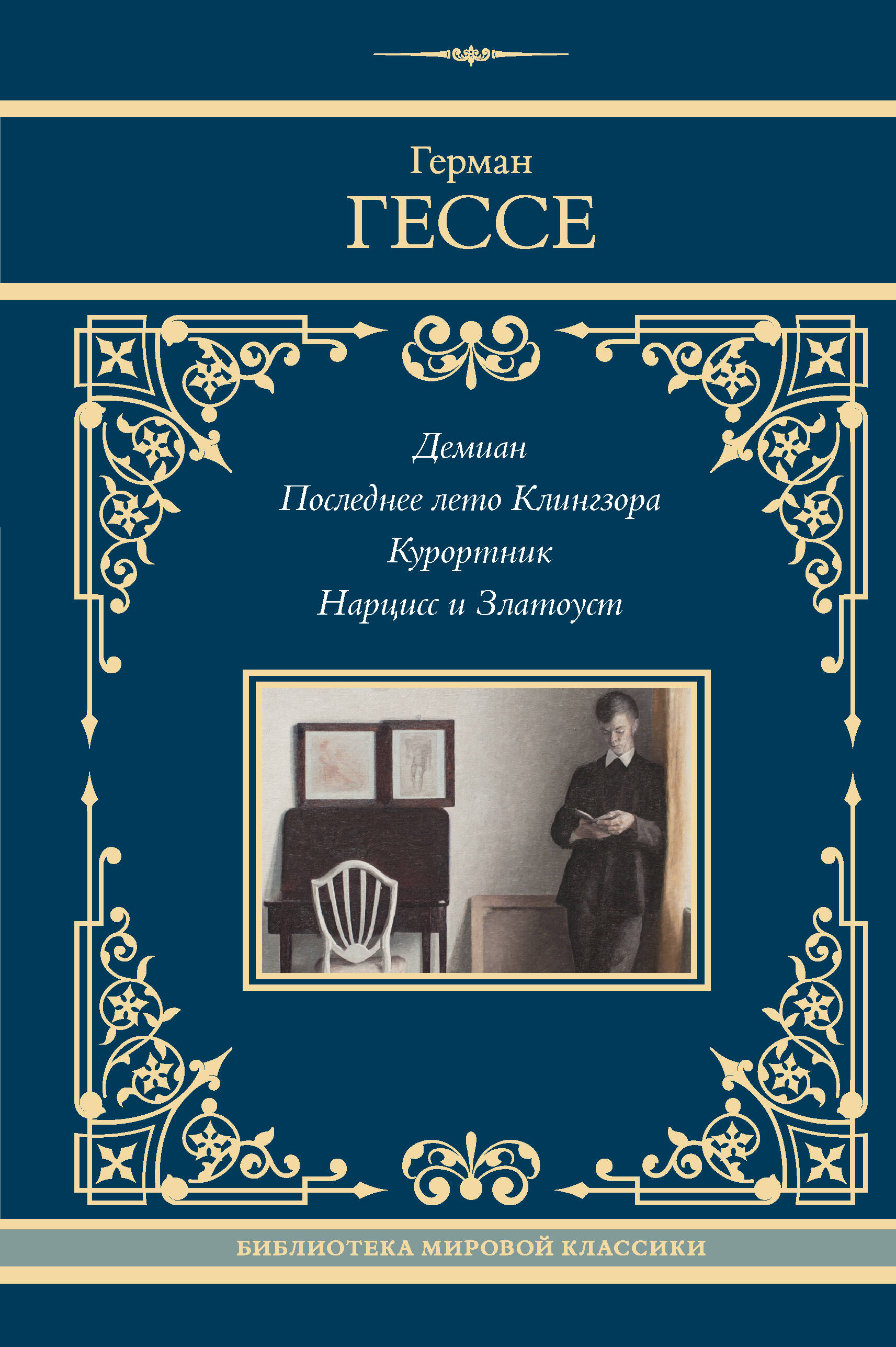
Демиан. Последнее лето Клингзора. Курортник. Нарцисс и Златоуст
Language collection: Russian
$84.40
In Stock
Already Purchased
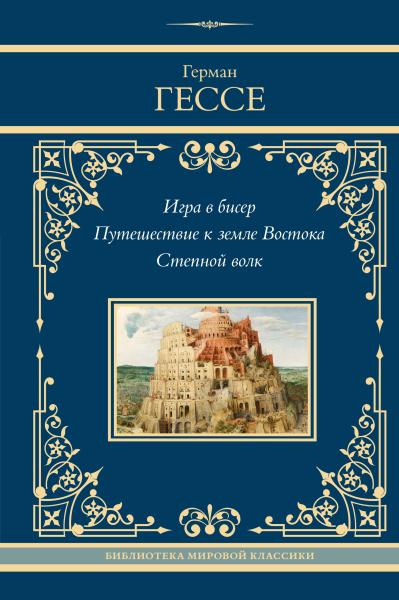
Игра в бисер. Путешествие к земле Востока. Степной волк
Language collection: Russian
$96.20
In Stock
Already Purchased

Степной волк
Language collection: Russian
$37.00
In Stock