


New Arrival Russian Books — Download our ORDER FORM September 2026
- Art
- Biographical Fiction
- Biographies, Memoirs
- Cooking, Food, Wine
- Entertainment, Lifestyle, Family, Home
- Graphic Novels
- Health, Mind, Body
- History
- Language Learning Materials
- Literature, Fiction
- Mystery, Thrillers
- Philosophy, Politics, Social Sciences
- Reference, Scientific
- Religion, Spirituality
- Romance
- Russian Learning Textbooks
- Science Fiction, Fantasy
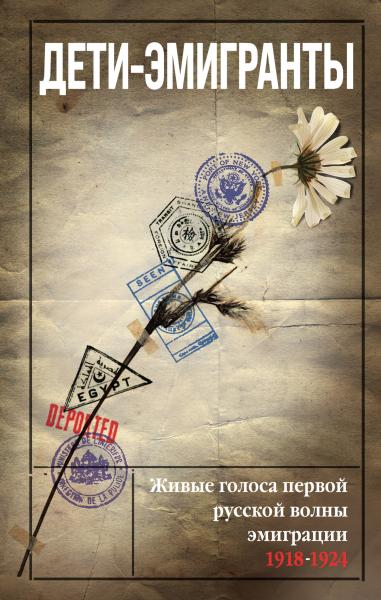
Дети-эмигранты. Живые голоса первой русской волны эмиграции 1918-1924
/ RussianAlready Purchased
Дети-эмигранты. Живые голоса первой русской волны эмиграции 1918-1924
Deti-ėmigranty. Zhivye golosa pervoĭ russkoĭ volny ėmigrat͡sii 1918-1924Emigrant children. The living voices of the first Russian wave of emigration 1918-1924
Available: 10+
Language Collection: RUSSIAN
Около 100 лет назад революция и последующая Гражданская война стали страшным испытанием для миллионов россиян. Из-за войн, голода, террора, бандитизма более 2 млн человек покинули Россию и оказались эмигрантами. Десятки тысяч детей — вместе с близкими или как сироты — также были выброшены из страны.Эта книга, впервые изданная в 1925 году в Праге, является потрясающим свидетельством трагической истории революционной России. В ней содержатся цитаты, отобранные из более двух тысяч сочинений юных эмигрантов на тему «Что я помню о России». Подростки рассказывают о смертях близких от ран, болезней и голода, о тяготах бегства в чужие страны, об одиночестве, страхах и полном непонимании того, ради чего их лишили радости жизни. Живые голоса соотечественников позволяют не только увидеть историю страны через судьбы обычных людей, но и задуматься о цене политических и социальных кризисов.«Язык детских сочинений правдив до дрожи, такое ощущение, что у детей как будто содрана кожа, они сильнее и острее других ощущают на себе тяжесть истории. Это единственный исторический документ такого масштаба». — Catherine Klein-Gousseff, французский историк
Okolo 100 let nazad revoli͡ut͡sii͡a i posledui͡ushchai͡a Grazhdanskai͡a voĭna stali strashnym ispytaniem dli͡a millionov rossii͡an. Iz-za voĭn, goloda, terrora, banditizma bolee 2 mln chelovek pokinuli Rossii͡u i okazalisʹ ėmigrantami. Desi͡atki tysi͡ach deteĭ - vmeste s blizkimi ili kak siroty - takzhe byli vybrosheny iz strany.Ėta kniga, vpervye izdannai͡a v 1925 godu v Prage, i͡avli͡aetsi͡a potri͡asai͡ushchim svidetelʹstvom tragicheskoĭ istorii revoli͡ut͡sionnoĭ Rossii. V neĭ soderzhatsi͡a t͡sitaty, otobrannye iz bolee dvukh tysi͡ach sochineniĭ i͡unykh ėmigrantov na temu "Chto i͡a pomni͡u o Rossii". Podrostki rasskazyvai͡ut o smerti͡akh blizkikh ot ran, bolezneĭ i goloda, o ti͡agotakh begstva v chuzhie strany, ob odinochestve, strakhakh i polnom neponimanii togo, radi chego ikh lishili radosti zhizni. Zhivye golosa sootechestvennikov pozvoli͡ai͡ut ne tolʹko uvidetʹ istorii͡u strany cherez sudʹby obychnykh li͡udeĭ, no i zadumatʹsi͡a o t͡sene politicheskikh i sot͡sialʹnykh krizisov."I͡Azyk detskikh sochineniĭ pravdiv do drozhi, takoe oshchushchenie, chto u deteĭ kak budto sodrana kozha, oni silʹnee i ostree drugikh oshchushchai͡ut na sebe ti͡azhestʹ istorii. Ėto edinstvennyĭ istoricheskiĭ dokument takogo masshtaba". - Catherine Klein-Gousseff, frant͡suzskiĭ istorik
About 100 years ago, the revolution and the subsequent Civil War became a terrible ordeal for millions of Russians. Due to wars, famine, terror, banditry, more than 2 million people left Russia and turned out to be emigrants. Tens of thousands of children — together with their loved ones or as orphans — were also thrown out of the country.This book, first published in 1925 in Prague, is a stunning testimony to the tragic history of revolutionary Russia. It contains quotes selected from more than two thousand essays by young emigrants on the topic "What I remember about Russia". Teenagers talk about the deaths of loved ones from wounds, diseases and hunger, about the hardships of fleeing to foreign countries, about loneliness, fears and a complete misunderstanding of what they were deprived of the joy of life for. The live voices of compatriots allow not only to see the history of the country through the fate of ordinary people, but also to think about the price of political and social crises."The language of children's writings is truthful to the point of trembling, it feels as if the children's skin has been peeled off, they feel the weight of history stronger and sharper than others. This is the only historical document of this scale." — Catherine Klein-Gousseff, French historian
Already Purchased
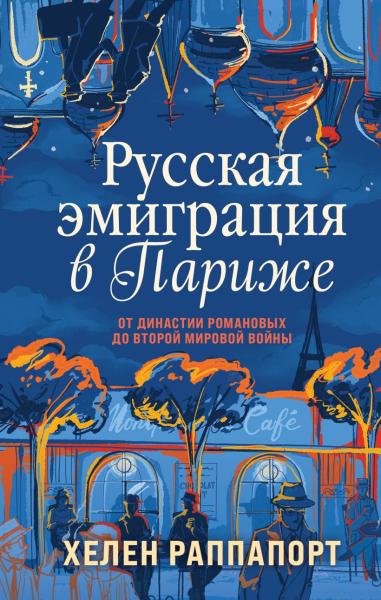
Русская эмиграция в Париже. От династии Романовых до Второй мировой войны
Language collection: Russian
$57.90
In Stock