


New Arrival Russian Books — Download our ORDER FORM September 2026
- Art
- Biographical Fiction
- Biographies, Memoirs
- Cooking, Food, Wine
- Entertainment, Lifestyle, Family, Home
- Graphic Novels
- Health, Mind, Body
- History
- Language Learning Materials
- Literature, Fiction
- Mystery, Thrillers
- Philosophy, Politics, Social Sciences
- Reference, Scientific
- Religion, Spirituality
- Romance
- Russian Learning Textbooks
- Science Fiction, Fantasy
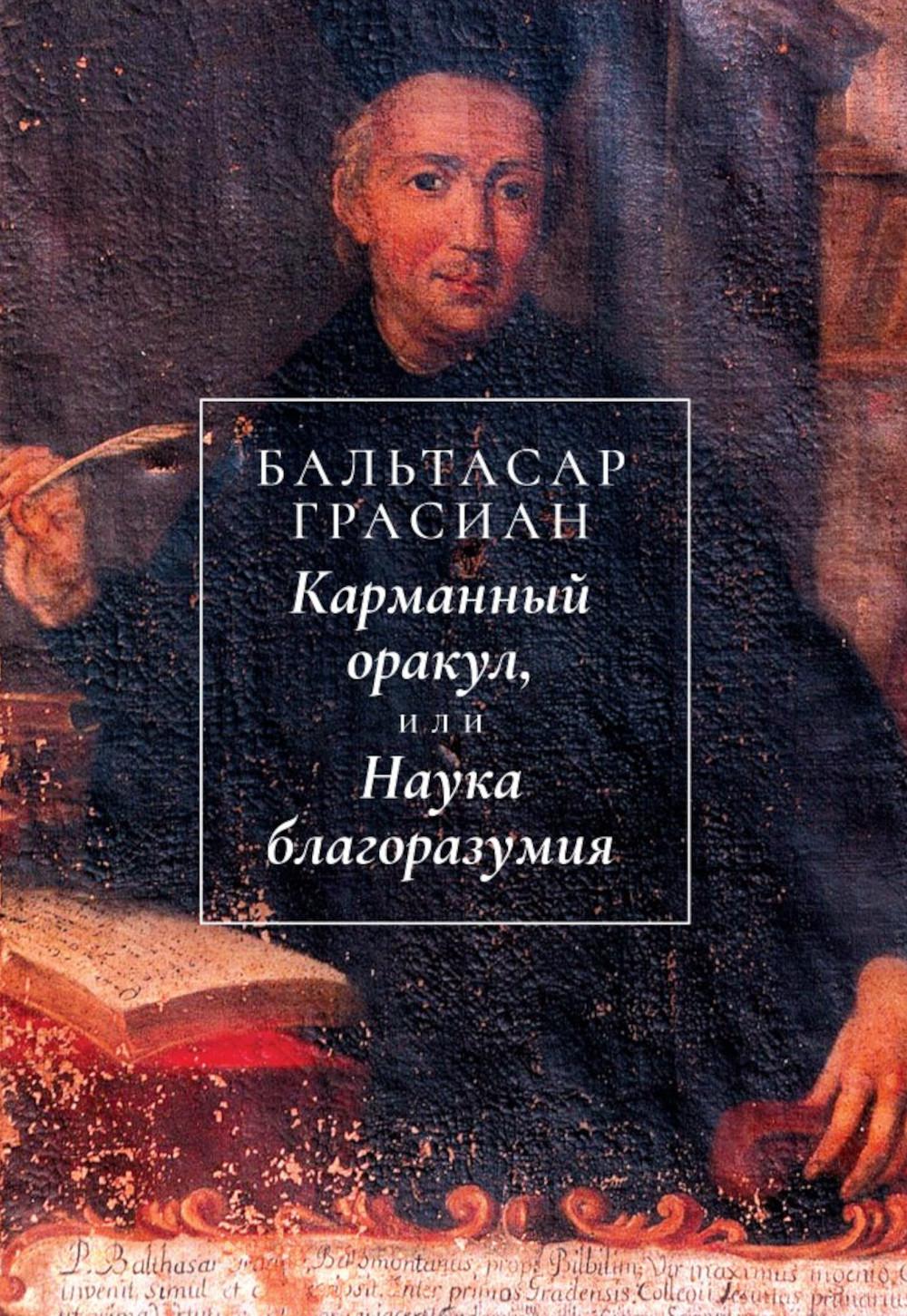
Карманный оракул, или Наука благоразумия
/ RussianAlready Purchased
Карманный оракул, или Наука благоразумия
Karmannyĭ orakul, ili Nauka blagorazumii͡aThe Pocket Oracle, or the Science of Prudence
Available: 10+
Language Collection: RUSSIAN
Бальтасар Грасиан-и-Моралес (1601–1658) - испанский писатель, философ и иезуит, одна из ключевых фигур европейского барокко. Его сочинение «Карманный оракул, или Наука благоразумия» ("Oraculo Manual y Arte de Prudencia", 1647) выросло из старой кастильской традиции дидактических «зерцал» и руководств по житейской мудрости, однако преобразило ее почти до неузнаваемости. Назидательный монолог сменяется здесь фрагментами, которые не столько сообщают истину, сколько требуют от читателя собственного суждения. Триста максим складываются в книгу о человеческой природе - изменчивой, противоречивой и ускользающей от окончательных определений. Благоразумие у Грасиана не сводится к своду правил: оно становится искусством замечать различия и распознавать обстоятельства, сохраняя внутреннюю свободу там, где мир не оставляет места для иллюзий. На протяжении столетий «Карманный оракул» оставался одним из самых внимательных собеседников европейской моральной мысли: его отголоски слышны в максимах Ларошфуко, в пессимистической антропологии Шопенгауэра, в ницшевской генеалогии морали. Спустя почти четыре столетия эта книга по-прежнему требует не столько согласия, сколько внимательного чтения.
Balʹtasar Grasian-i-Morales (1601-1658) - ispanskiĭ pisatelʹ, filosof i iezuit, odna iz kli͡uchevykh figur evropeĭskogo barokko. Ego sochinenie "Karmannyĭ orakul, ili Nauka blagorazumii͡a" ("Oraculo Manual y Arte de Prudencia", 1647) vyroslo iz staroĭ kastilʹskoĭ tradit͡sii didakticheskikh "zert͡sal" i rukovodstv po zhiteĭskoĭ mudrosti, odnako preobrazilo ee pochti do neuznavaemosti. Nazidatelʹnyĭ monolog smeni͡aetsi͡a zdesʹ fragmentami, kotorye ne stolʹko soobshchai͡ut istinu, skolʹko trebui͡ut ot chitateli͡a sobstvennogo suzhdenii͡a. Trista maksim skladyvai͡utsi͡a v knigu o chelovecheskoĭ prirode - izmenchivoĭ, protivorechivoĭ i uskolʹzai͡ushcheĭ ot okonchatelʹnykh opredeleniĭ. Blagorazumie u Grasiana ne svoditsi͡a k svodu pravil: ono stanovitsi͡a iskusstvom zamechatʹ razlichii͡a i raspoznavatʹ obstoi͡atelʹstva, sokhrani͡ai͡a vnutrenni͡ui͡u svobodu tam, gde mir ne ostavli͡aet mesta dli͡a illi͡uziĭ. Na proti͡azhenii stoletiĭ "Karmannyĭ orakul" ostavalsi͡a odnim iz samykh vnimatelʹnykh sobesednikov evropeĭskoĭ moralʹnoĭ mysli: ego otgoloski slyshny v maksimakh Laroshfuko, v pessimisticheskoĭ antropologii Shopengauėra, v nit͡sshevskoĭ genealogii morali. Spusti͡a pochti chetyre stoletii͡a ėta kniga po-prezhnemu trebuet ne stolʹko soglasii͡a, skolʹko vnimatelʹnogo chtenii͡a.
Baltasar Gracian y Morales (1601-1658) was a Spanish writer, philosopher and Jesuit, one of the key figures of the European Baroque. His work The Pocket Oracle, or the Science of Prudence (Oraculo Manual y Arte de Prudencia, 1647) grew out of the old Castilian tradition of didactic mirrors and manuals on worldly wisdom, but transformed it almost beyond recognition. The edifying monologue is replaced here by fragments that do not so much tell the truth as require the reader's own judgment. Three hundred maxims add up to a book about human nature - changeable, contradictory and eluding definitive definitions. Gracian's prudence does not come down to a set of rules: it becomes the art of noticing differences and recognizing circumstances, preserving inner freedom where the world leaves no room for illusions. For centuries, the Pocket Oracle has remained one of the most attentive interlocutors of European moral thought: its echoes can be heard in the maxims of La Rochefoucauld, in the pessimistic anthropology of Schopenhauer, in the Nietzschean genealogy of morality. Almost four centuries later, this book still requires careful reading rather than consent.
Product Details:
hardcover:
308 pages
Language:
Russian
Shipping Weight:
ISBN:
978-5-5171-3816-3
EAN: 9785517138163
EAN: 9785517138163
Nonfiction
Already Purchased
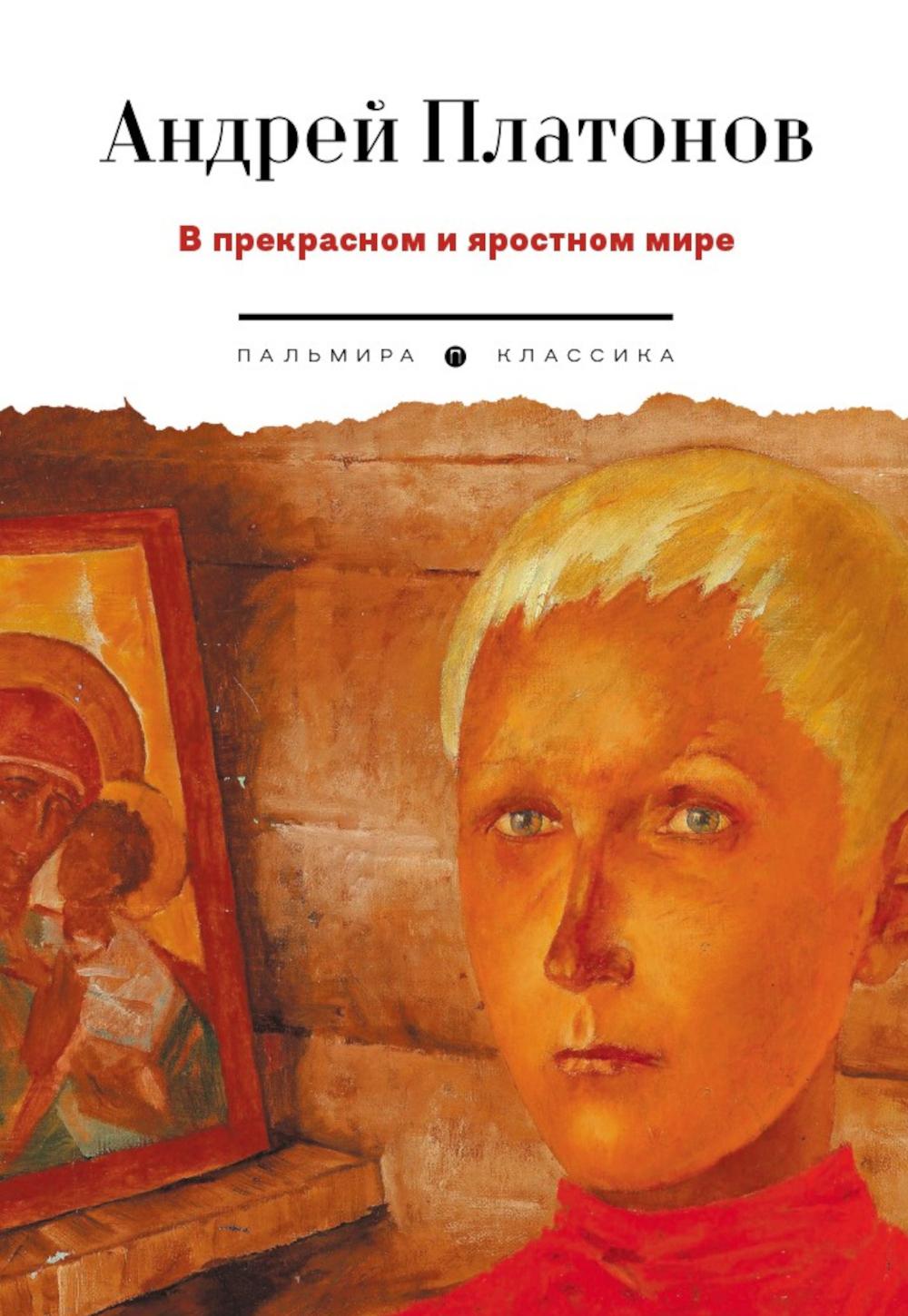
В прекрасном и яростном мире: рассказы
Language collection: Russian
$52.60
In Stock
Already Purchased
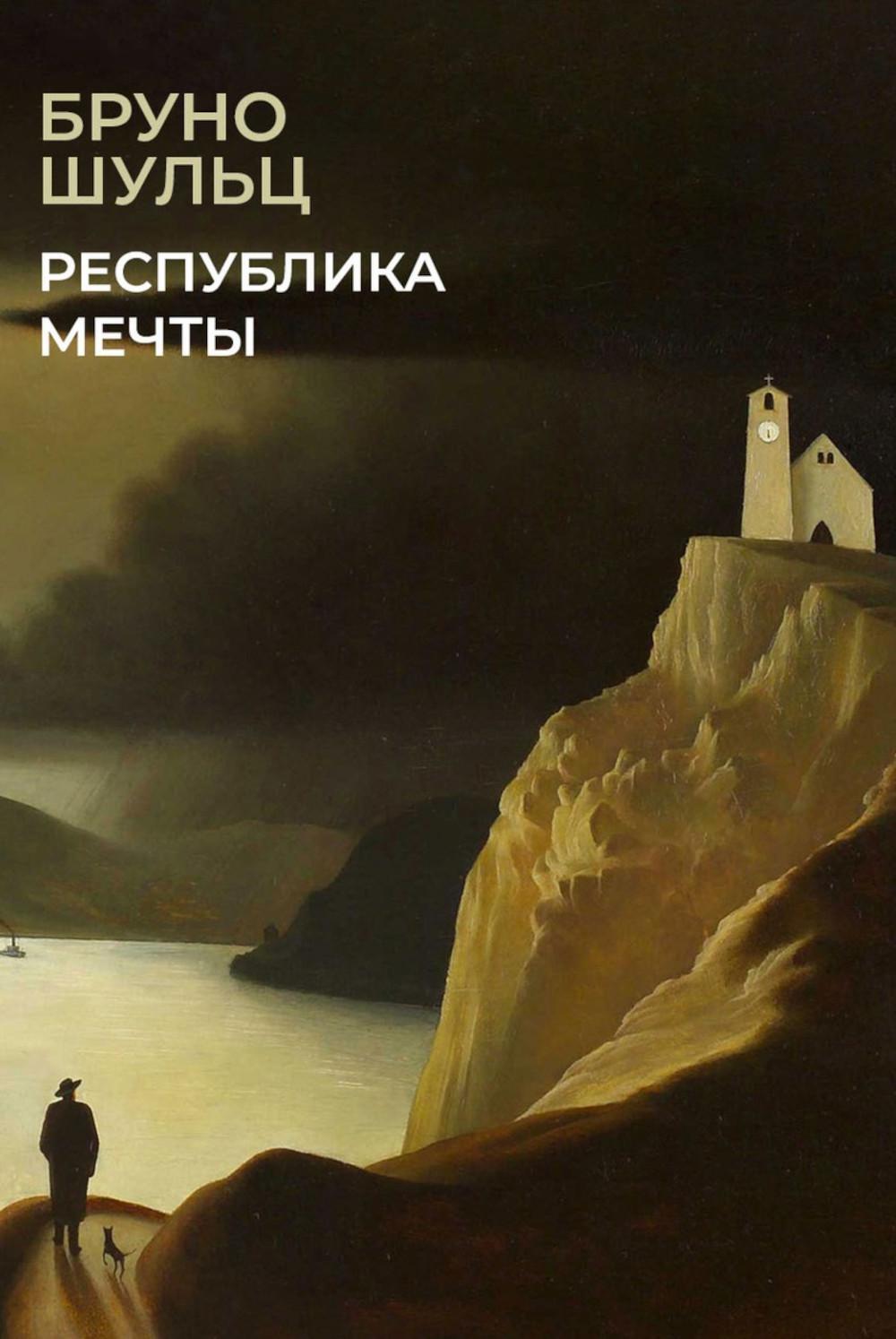
Республика мечты
Language collection: Russian
$71.30
In Stock
Already Purchased
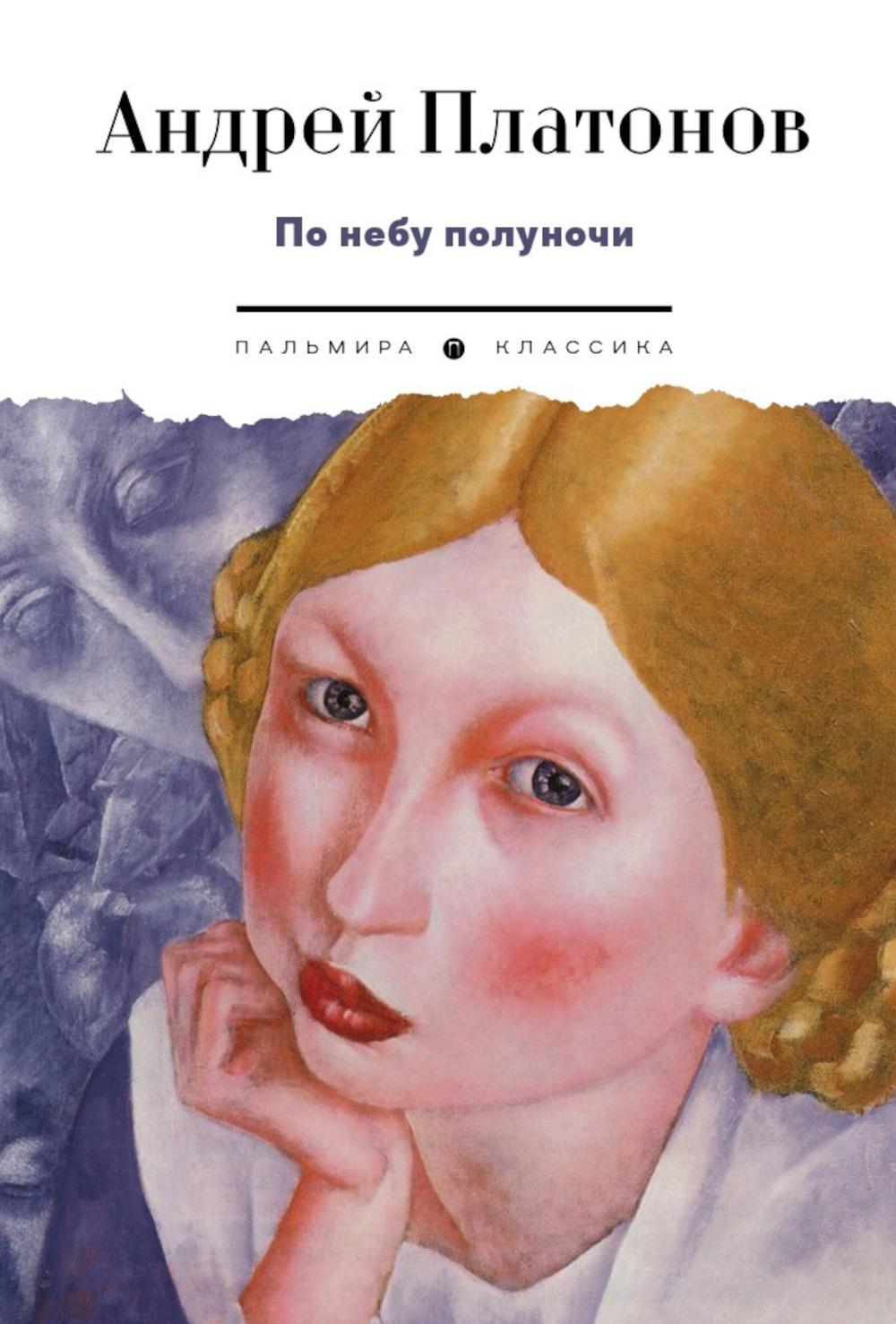
По небу полуночи: рассказы
Language collection: Russian
$49.30
In Stock