


New Arrival Russian Books — Download our ORDER FORM November 2025
- Expatriate Russian Authors
- Art
- Biographies, Memoirs
- Cooking, Food, Wine
- Entertainment, Lifestyle, Family, Home
- Graphic Novel
- Graphic Novels
- Health, Mind, Body
- History
- Language Learning Materials
- Literature, Fiction
- Mystery, Thrillers
- Philosophy, Politics, Social Sciences
- Reference, Scientific
- Religion, Spirituality
- Romance
- Russian Learning Textbooks
- Science Fiction, Fantasy
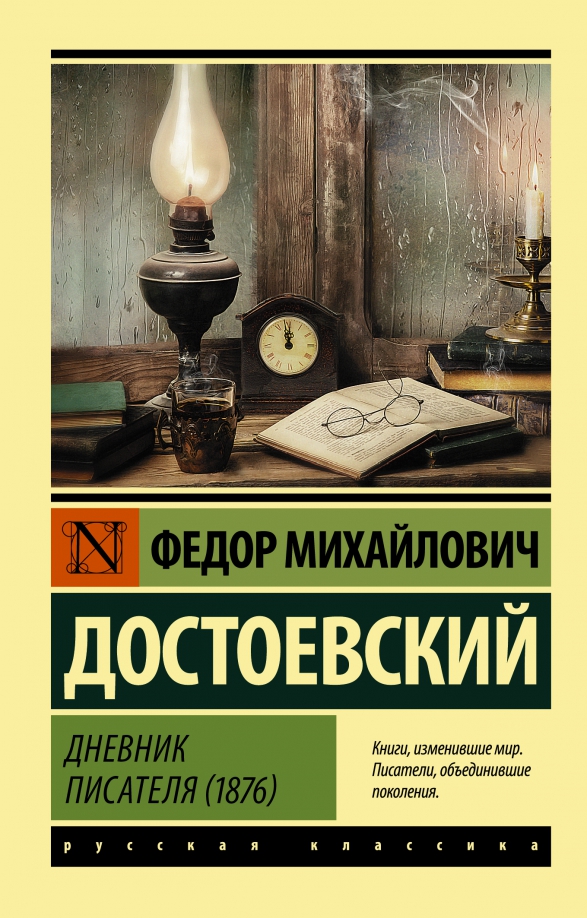
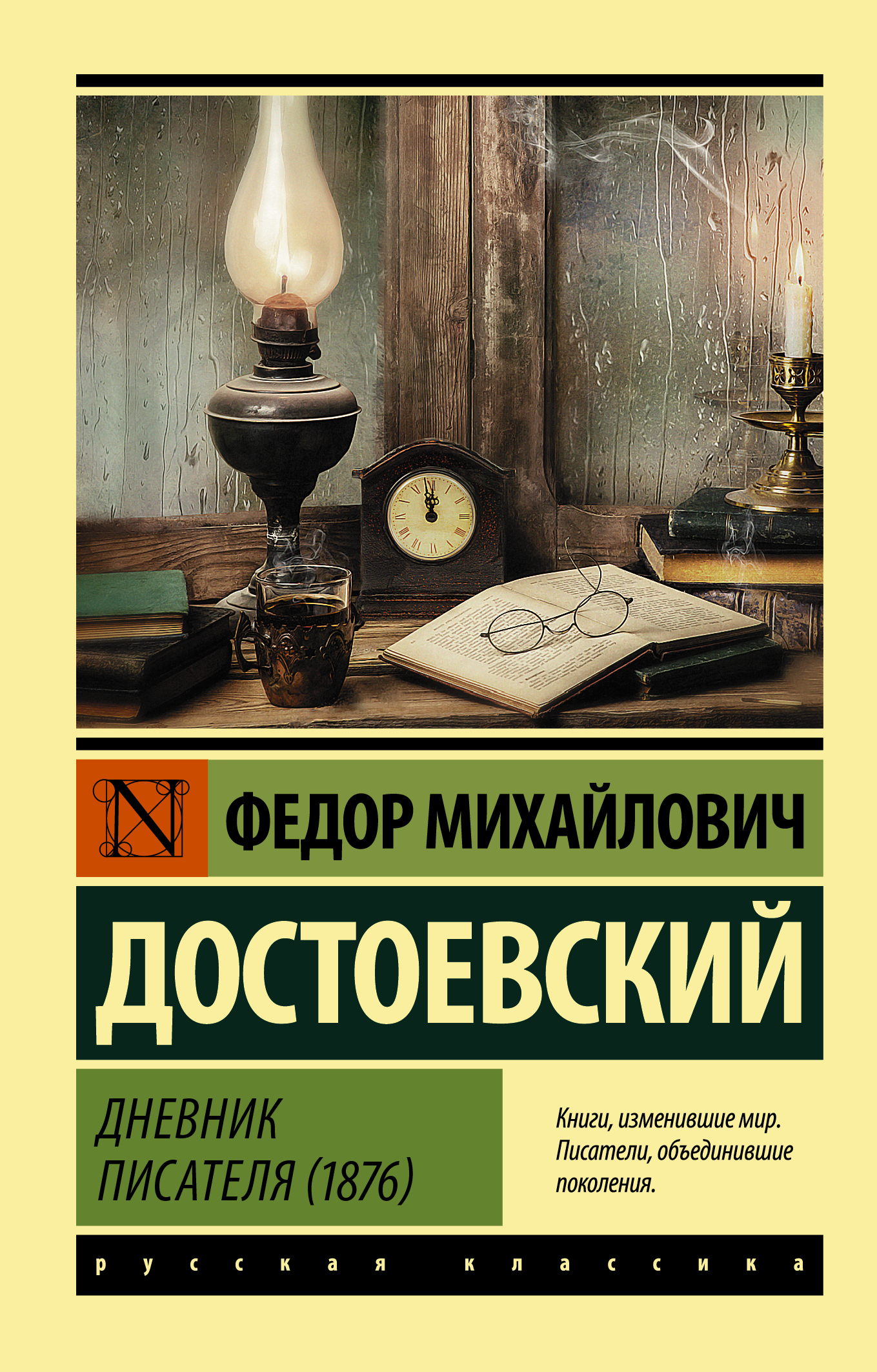
Дневник писателя (1876) / Russian
Available: 10+
Language Collection: RUSSIAN
Original
Transliteration
English
В "Дневнике писателя", не имеющим аналогов в русской и зарубежной публицистике, Достоевский напрямую общается с читателями и словно приглашает присоединиться к обсуждению глубоких тем, которым посвящено все его творчество: человек и Бог, добро и зло, свобода и судьба России.В заметках 1876 года особое внимание он уделяет анализу мировой политики того времени и духовных болезней русского общества, оказавшемся во многом пророческим. А результатом его размышлений можно считать впервые опубликованную в ноябрьской главе повесть "Кроткая", где писатель исследует отношения тирана и жертвы на примере обычной семьи.
V "Dnevnike pisatelia", ne imeushim analogov v russkoi i zarubejnoi publicistike, Dostoevskii napriamuu obshaetsia s chitateliami i slovno priglashaet prisoedinitsia k obsujdeniu glubokih tem, kotoriem posviasheno vse ego tvorchestvo: chelovek i Bog, dobro i zlo, svoboda i sudba Rossii.V zametkah 1876 goda osoboe vnimanie on udeliaet analizu mirovoi politiki togo vremeni i duhovnieh boleznei russkogo obshestva, okazavshemsia vo mnogom prorocheskim. A rezultatom ego razmieshlenii mojno schitat vperviee opublikovannuu v noiabrskoi glave povest "Krotkaia", gde pisatel issleduet otnosheniia tirana i jertvie na primere obiechnoi semi.
In The Writer's Diary, which has no analogues in Russian and foreign journalism, Dostoevsky communicates directly with readers and seems to invite them to join the discussion of deep topics to which all his work is devoted: man and God, good and evil, freedom and the fate of Russia.In his notes of 1876, he pays special attention to the analysis of world politics of that time and the spiritual diseases of Russian society, which turned out to be largely prophetic. And the result of his reflections can be considered the story "Meek", first published in the November chapter, where the writer explores the relationship between the tyrant and the victim using the example of an ordinary family.
Already Purchased

Убойный отпуск (детективная комедия) (7 серий)
Language collection: Russian
$19.50
In Stock
Already Purchased
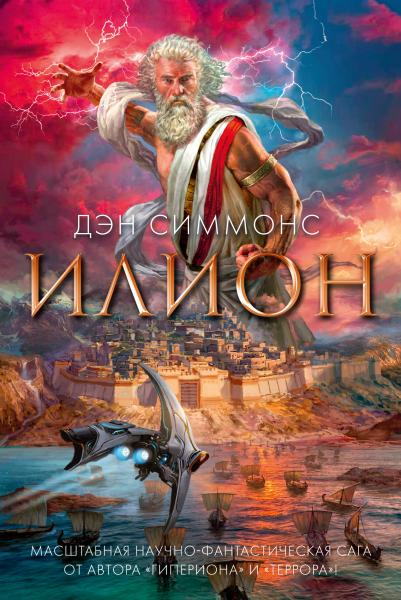
Илион
Language collection: Russian
$63.30
In Stock
Already Purchased

Китай. Полная история (подарочное издание)
Language collection: Russian
$82.30
In Stock
Already Purchased

Прекрасные
Language collection: Russian
$33.50
In Stock
Already Purchased
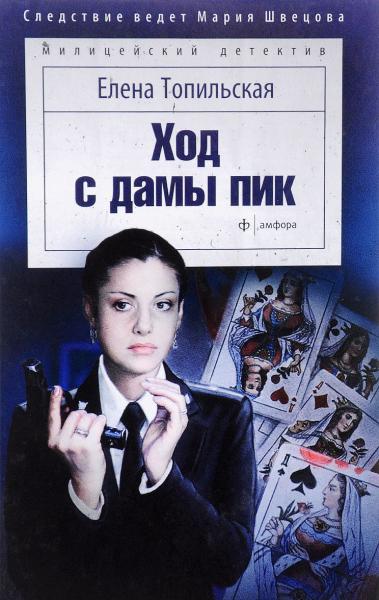
Ход с дамы пик
Language collection: Russian
$21.60
In Stock
Already Purchased
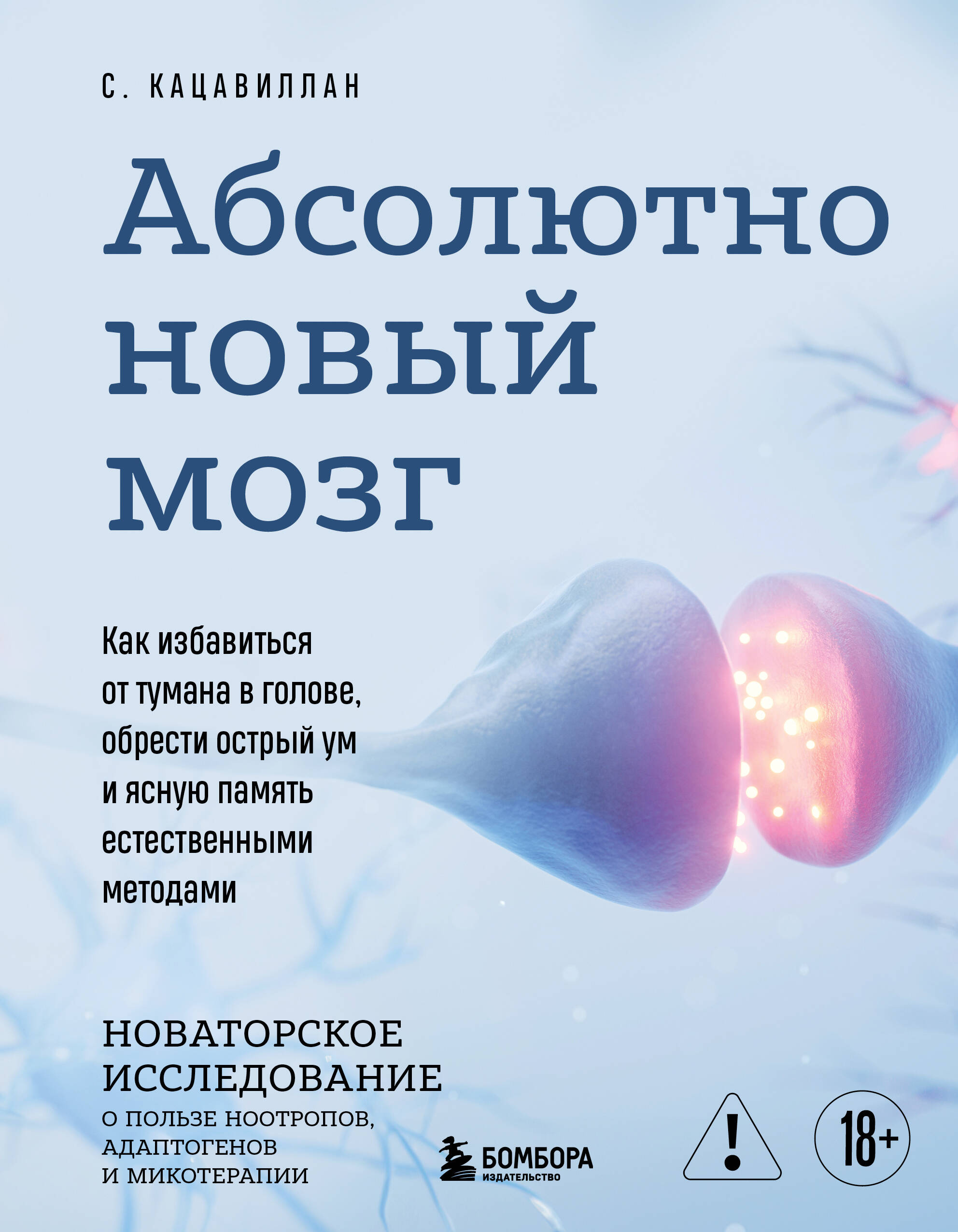
Абсолютно новый мозг. Как избавиться от тумана в голове, обрести острый ум и ясную память естественными методами
Language collection: Russian
$38.90
In Stock
Already Purchased
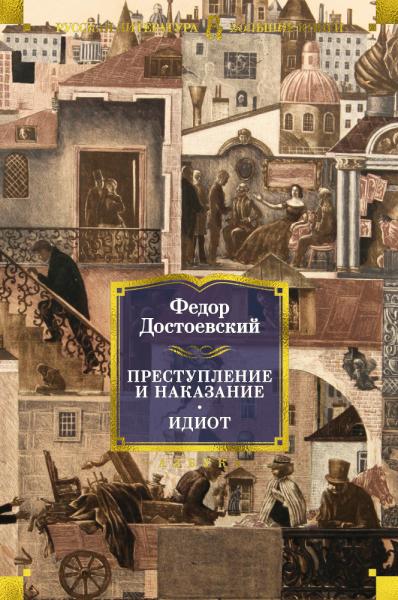
Преступление и наказание. Идиот
Language collection: Russian
$84.10
In Stock
Already Purchased
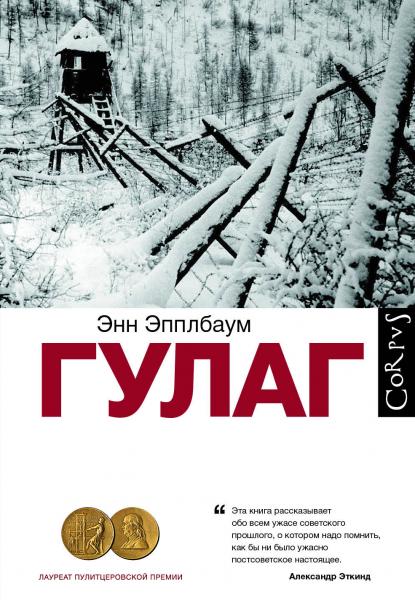
ГУЛАГ
Language collection: Russian
$37.60
In Stock
Already Purchased

Забытая мелодия для флейты
Language collection: Russian
$19.50
In Stock
Already Purchased
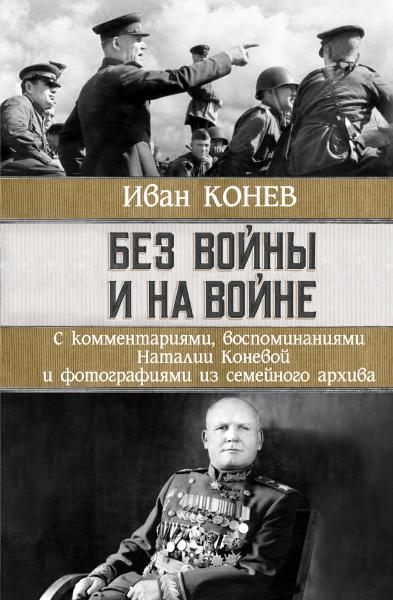
Без войны и на войне
Language collection: Russian
$38.20
In Stock
Already Purchased
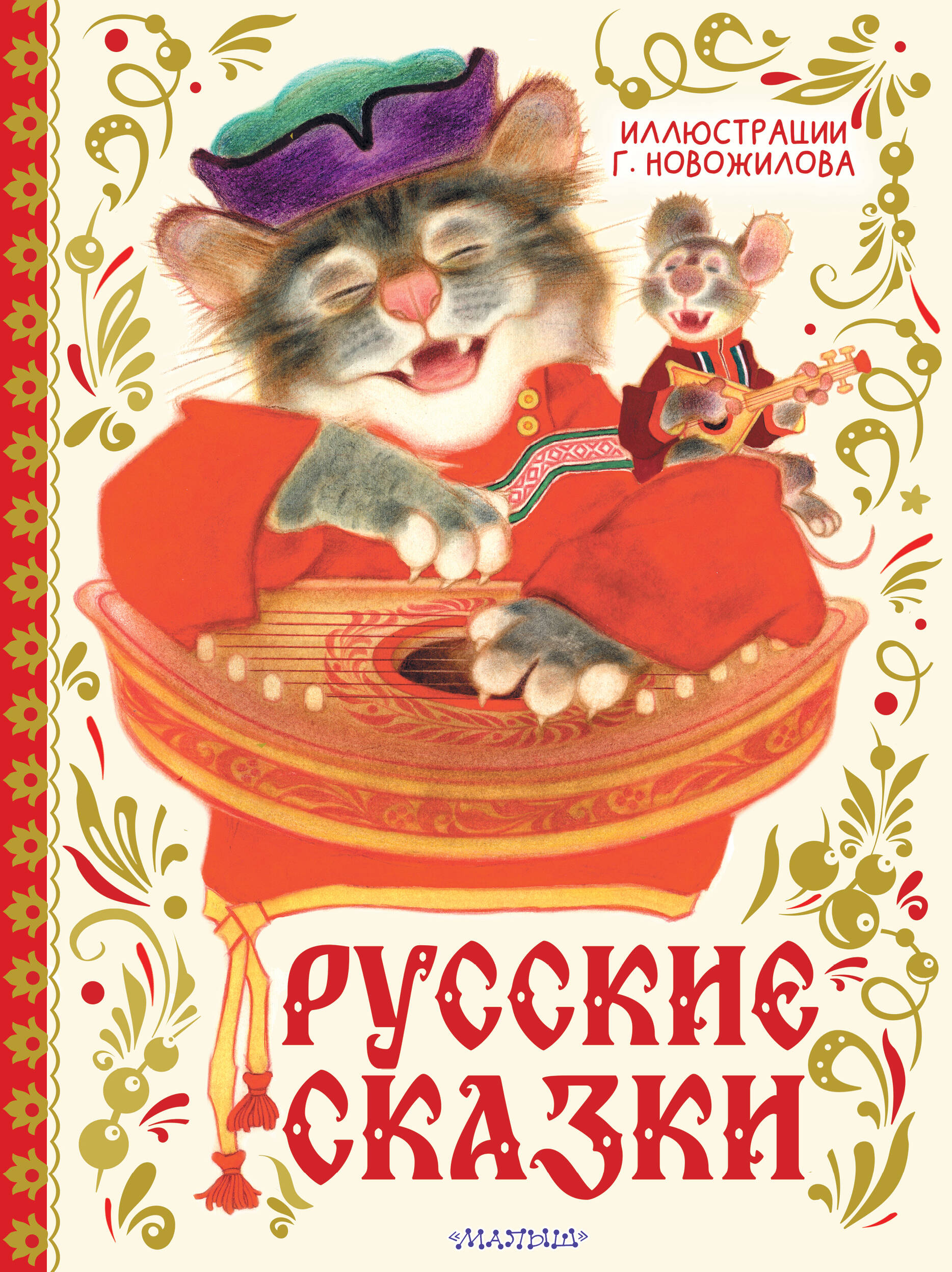
Русские сказки. Рис. Г. Новожилова
Language collection: Russian
$71.00
In Stock
Already Purchased

Жена
Language collection: Russian
$33.40
In Stock