


New Arrival Russian Books — Download our ORDER FORM September 2026
- Biographical Fiction
- Biographies, Memoirs
- Cooking, Food, Wine
- Entertainment, Lifestyle, Family, Home
- Graphic Novels
- Health, Mind, Body
- History
- Language Learning Materials
- Literature, Fiction
- Mystery, Thrillers
- Philosophy, Politics, Social Sciences
- Reference, Scientific
- Religion, Spirituality
- Romance
- Science Fiction, Fantasy
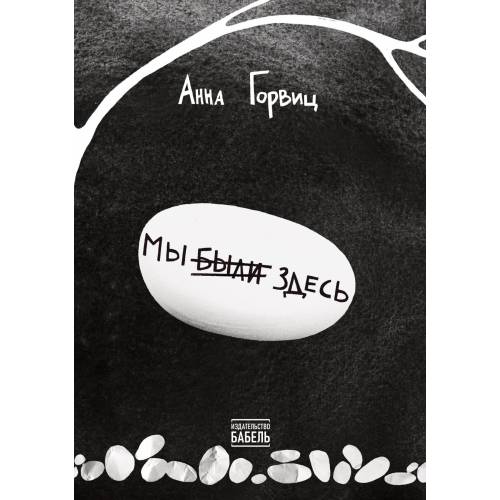
Мы были здесь
/ Ukrainian
Available: 10+
Language Collection: RUSSIAN
Книга о войне, в которой самой войны нет. Но есть взрослые и дети, которых война изжевала и выплюнула. И мертвые теперь живут среди живых. А живые на самом деле давно уже мертвые. Их убило на той войне без названия, просто они этого еще не поняли. И море, и солнце никому не помогут ни забыть, ни простить... Горчит на языке варенье из яблок обреченной яблони, а слова любви и надежды написаны на гальке несмываемым фломастером, потому что их некому больше произнести. Но еще есть кому прочесть, а значит, надежда жива... Добро пожаловать в мир коротких и простых фраз, сложных чувств и сломанных судеб. «Этих персонажей ты будешь помнить. С плохими книгами так не бывает. Это хорошая книга». Осталось только ее прочесть. Ян Валетов. Готическая сказка о домике на море, дружбе двух девочек, семье, утрате и обретении. Как героиня пишет слова на гальке, постепенно собирая из них для нас цельный текст, так из образов этой прекрасной и душераздирающей книги, наполненной в равной мере болью и надеждой, складывается точный (что может быть беспощаднее и правдивее подросткового взгляда?) отпечаток проживаемого нами невыносимого времени. Антон Долин. Зачем нам читать непростые книжки о войне? Войны ведь и так много, и жить с ней трудно. Но мне кажется, что читать такие книжки очень стоит, особенно когда в них действуют персонажи, которые могут оказаться чемто похожими на тебя. От их побед становится легче, их миры становятся твоими мирами, а их сила превращается в твою силу. И никакие посты, рилсы, статьи, сторис, видео, наверное, не могут сделать для нас то, что могут сделать персонажи из «Мы были здесь». Линор Горалик.
Kniga o voĭne, v kotoroĭ samoĭ voĭny net. No estʹ vzroslye i deti, kotorykh voĭna izzhevala i vypli͡unula. I mertvye teperʹ zhivut sredi zhivykh. A zhivye na samom dele davno uzhe mertvye. Ikh ubilo na toĭ voĭne bez nazvanii͡a, prosto oni ėtogo eshche ne poni͡ali. I more, i solnt͡se nikomu ne pomogut ni zabytʹ, ni prostitʹ... Gorchit na i͡azyke varenʹe iz i͡ablok obrechennoĭ i͡abloni, a slova li͡ubvi i nadezhdy napisany na galʹke nesmyvaemym flomasterom, potomu chto ikh nekomu bolʹshe proiznesti. No eshche estʹ komu prochestʹ, a znachit, nadezhda zhiva... Dobro pozhalovatʹ v mir korotkikh i prostykh fraz, slozhnykh chuvstv i slomannykh sudeb. "Ėtikh personazheĭ ty budeshʹ pomnitʹ. S plokhimi knigami tak ne byvaet. Ėto khoroshai͡a kniga". Ostalosʹ tolʹko ee prochestʹ. I͡An Valetov. Goticheskai͡a skazka o domike na more, druzhbe dvukh devochek, semʹe, utrate i obretenii. Kak geroini͡a pishet slova na galʹke, postepenno sobirai͡a iz nikh dli͡a nas t͡selʹnyĭ tekst, tak iz obrazov ėtoĭ prekrasnoĭ i dusherazdirai͡ushcheĭ knigi, napolnennoĭ v ravnoĭ mere bolʹi͡u i nadezhdoĭ, skladyvaetsi͡a tochnyĭ (chto mozhet bytʹ besposhchadnee i pravdivee podrostkovogo vzgli͡ada?) otpechatok prozhivaemogo nami nevynosimogo vremeni. Anton Dolin. Zachem nam chitatʹ neprostye knizhki o voĭne? Voĭny vedʹ i tak mnogo, i zhitʹ s neĭ trudno. No mne kazhetsi͡a, chto chitatʹ takie knizhki ochenʹ stoit, osobenno kogda v nikh deĭstvui͡ut personazhi, kotorye mogut okazatʹsi͡a chemto pokhozhimi na tebi͡a. Ot ikh pobed stanovitsi͡a legche, ikh miry stanovi͡atsi͡a tvoimi mirami, a ikh sila prevrashchaetsi͡a v tvoi͡u silu. I nikakie posty, rilsy, statʹi, storis, video, navernoe, ne mogut sdelatʹ dli͡a nas to, chto mogut sdelatʹ personazhi iz "My byli zdesʹ". Linor Goralik.
A book about a war in which there is no war itself. But there are adults and children who have been chewed up and spat out by the war. And the dead now live among the living. And the living have actually been dead for a long time. They were killed in that nameless war, they just haven't figured it out yet. The sea and the sun will not help anyone to forget or forgive... The jam from the apples of the doomed apple tree is bitter on the tongue, and the words of love and hope are written on the pebbles with an indelible felt-tip pen, because there is no one else to pronounce them. But there is still someone to read, which means that hope is alive... Welcome to the world of short and simple phrases, complex feelings and broken destinies. "You will remember these characters. That doesn't happen with bad books. It's a good book." All that remains is to read it. Jan Valetov. A Gothic tale about a house by the sea, the friendship of two girls, family, loss and gain. As the heroine writes words on pebbles, gradually assembling a whole text from them for us, so the images of this beautiful and heartbreaking book, filled with pain and hope in equal measure, form an accurate (what could be more merciless and truthful than a teenage look?) the imprint of the unbearable time we live through. Anton Dolin. Why should we read difficult books about the war? There is so much war, and it is difficult to live with it. But it seems to me that reading such books is very worthwhile, especially when they feature characters who may turn out to be somewhat similar to you. Their victories make it easier, their worlds become your worlds, and their power turns into your power. And no posts, rails, articles, stories, videos, probably, can do for us what the characters from "We were Here" can do. Linor Goralik.
Already Purchased
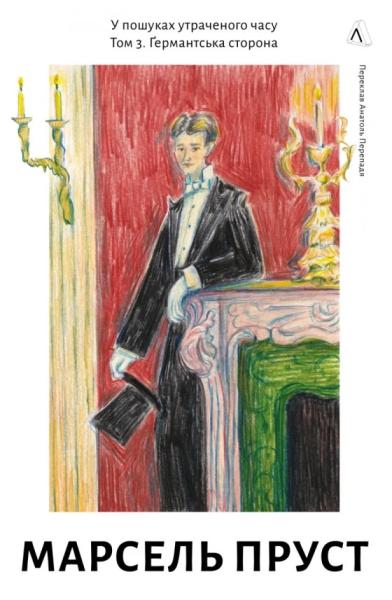
У пошуках утраченого часу. Том 3. Ґермантська сторона
Language collection: Ukrainian
$44.90
In Stock
Already Purchased
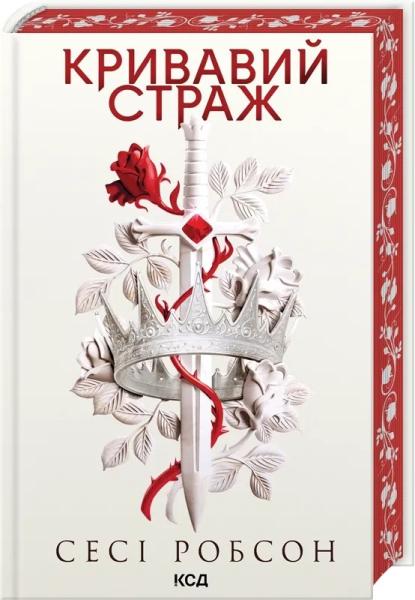
Кривавий страж. Старий Ерт. Книга 1
Language collection: Ukrainian
$52.80
In Stock
Already Purchased
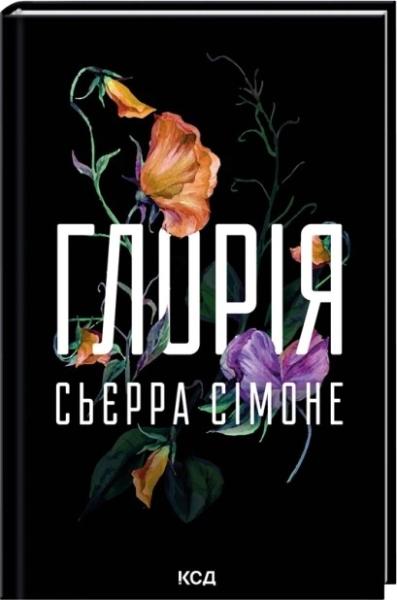
Глорія. Священник. Книга 2. 5
Language collection: Ukrainian
$21.80
In Stock
Already Purchased
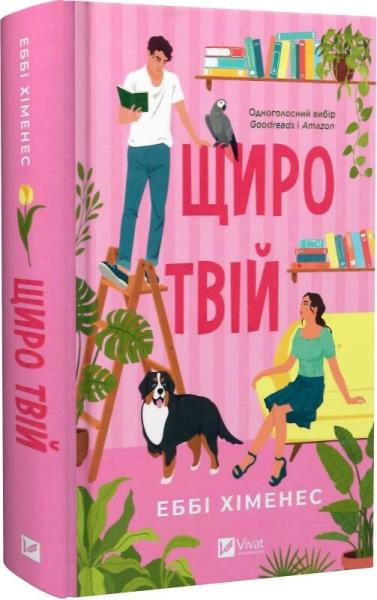
Щиро твій (Частина твого світу #2)
Language collection: Ukrainian
$45.50
In Stock
Already Purchased
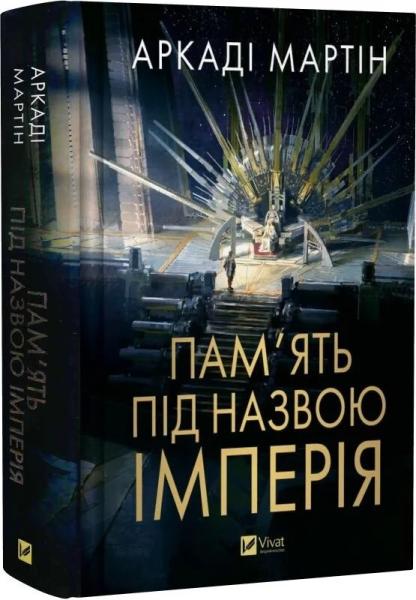
Пам'ять під назвою імперія (Тейкскалаан #1)
Language collection: Ukrainian
$55.10
In Stock
Already Purchased
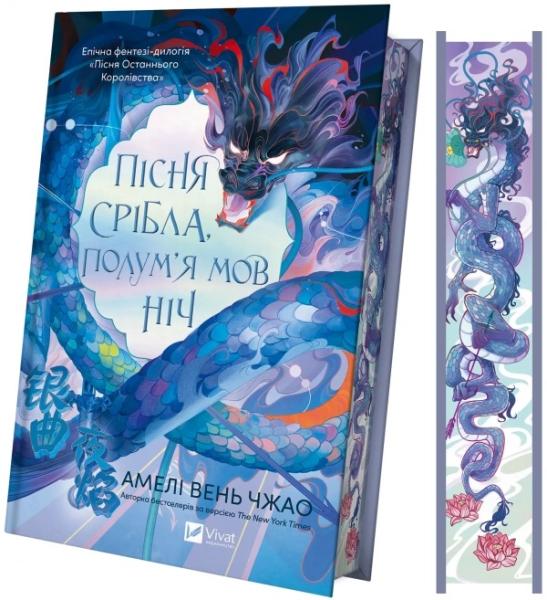
Пісня срібла, полум'я мов ніч (Пісня Останнього Королівства #1)
Language collection: Ukrainian
$53.50
In Stock
Already Purchased
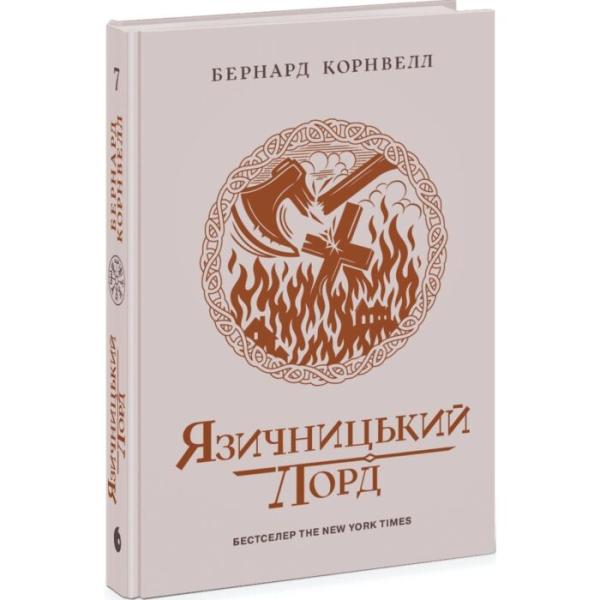
Саксонські хроніки #7. Язичницький лорд
Language collection: Ukrainian
$55.80
In Stock
Already Purchased
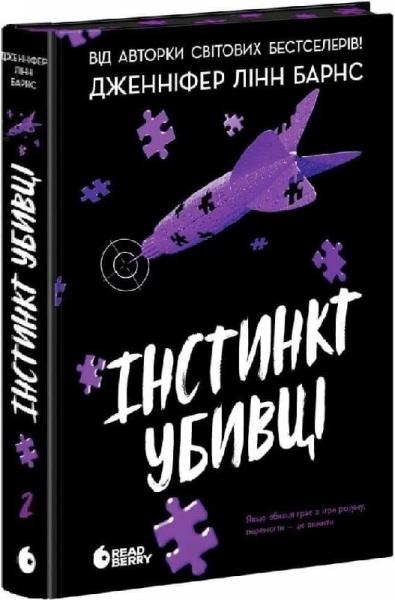
Самородки #2. Інстинкт убивці
Language collection: Ukrainian
$42.40
In Stock
Already Purchased
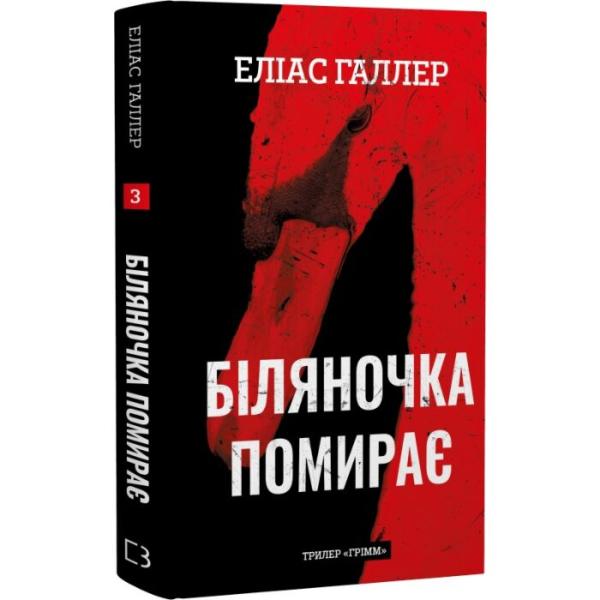
Грімм. Книга 3: Біляночка помирає
Language collection: Ukrainian
$30.40
In Stock
Already Purchased
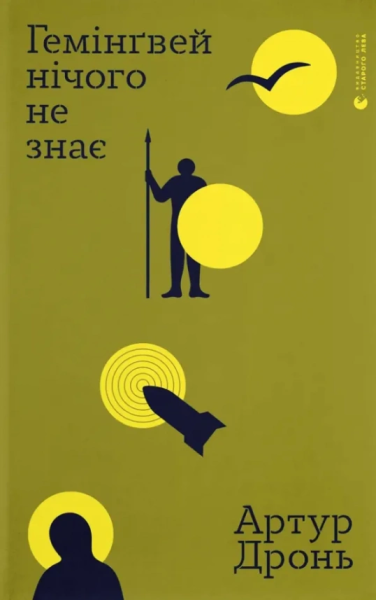
Гемінґвей нічого не знає
Language collection: Ukrainian
$24.20
In Stock
Already Purchased
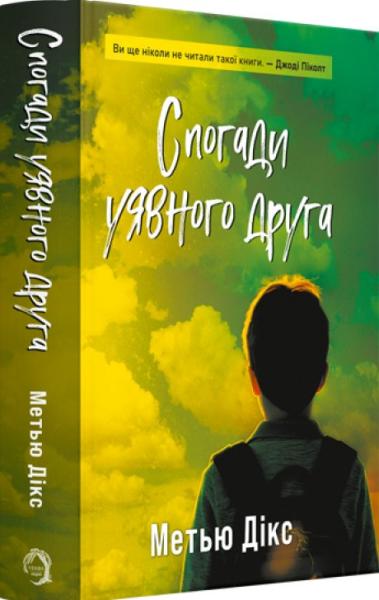
Спогади уявного друга
Language collection: Ukrainian
$33.00
In Stock
Already Purchased
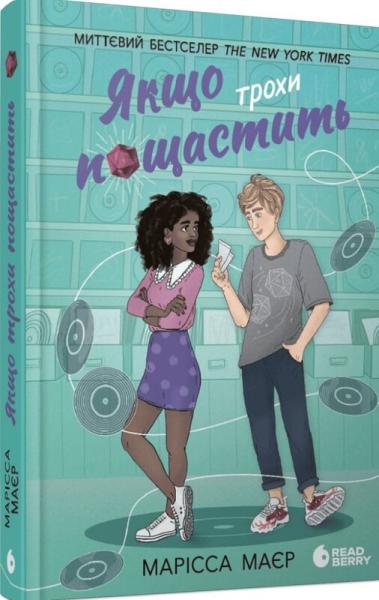
Якщо трохи пощастить
Language collection: Ukrainian
$56.40
In Stock