



New Arrival Russian Books — Download our ORDER FORM September 2026
- Biographical Fiction
- Biographies, Memoirs
- Cooking, Food, Wine
- Entertainment, Lifestyle, Family, Home
- Graphic Novels
- Health, Mind, Body
- History
- Language Learning Materials
- Literature, Fiction
- Mystery, Thrillers
- Philosophy, Politics, Social Sciences
- Reference, Scientific
- Religion, Spirituality
- Romance
- Science Fiction, Fantasy
О свободе
/ Ukrainian
Available: 10+
Language Collection: RUSSIAN
Вниманию читателей предлагается новый перевод (первый после 1901 г.) знаменитого очерка Джона Стюарта Милля «О свободе», опубликованного в 1859 г. и с тех пор непрерывно обсуждаемого политическими философами. В нем Милль впервые ставит вопрос об отношении индивида не только к церкви и государству, но и к обществу, пытаясь определить границу, дальше которой общественное мнение не может законно вмешиваться в личную независимость. Сформулированная здесь доктрина взаимоотношений индивида и общества состоит из трех главных свобод личности (I.12), двух максим об ответственности личности перед обществом (V.II, I.9–10, IV.4–7) и трех возражений против государственного вмешательства (V.18—20). Милль утверждает, что люди должны быть свободны поступать так, как им хочется, если их действия не вредят другим. Он подчеркивает важность свободы мысли и выражения мнений, индивидуальности как элемента благосостояния и необходимости защищать мнения меньшинства от «тирании большинства». В очерке «Цивилизация» (1836) автор описывает проблему, решение которой предлагается в «О свободе»: в результате естественного роста цивилизации власть переходит от отдельных выдающихся личностей к массам, для которых характерно неприязненное отношение к индивидуальности. Для удобства читателей и исследователей издание содержит тематический и предметно именной указатели.
Vnimanii͡u chitateleĭ predlagaetsi͡a novyĭ perevod (pervyĭ posle 1901 g.) znamenitogo ocherka Dzhona Sti͡uarta Milli͡a "O svobode", opublikovannogo v 1859 g. i s tekh por nepreryvno obsuzhdaemogo politicheskimi filosofami. V nem Millʹ vpervye stavit vopros ob otnoshenii individa ne tolʹko k t͡serkvi i gosudarstvu, no i k obshchestvu, pytai͡asʹ opredelitʹ granit͡su, dalʹshe kotoroĭ obshchestvennoe mnenie ne mozhet zakonno vmeshivatʹsi͡a v lichnui͡u nezavisimostʹ. Sformulirovannai͡a zdesʹ doktrina vzaimootnosheniĭ individa i obshchestva sostoit iz trekh glavnykh svobod lichnosti (I.12), dvukh maksim ob otvetstvennosti lichnosti pered obshchestvom (V.II, I.9-10, IV.4-7) i trekh vozrazheniĭ protiv gosudarstvennogo vmeshatelʹstva (V.18-20). Millʹ utverzhdaet, chto li͡udi dolzhny bytʹ svobodny postupatʹ tak, kak im khochetsi͡a, esli ikh deĭstvii͡a ne vredi͡at drugim. On podcherkivaet vazhnostʹ svobody mysli i vyrazhenii͡a mneniĭ, individualʹnosti kak ėlementa blagosostoi͡anii͡a i neobkhodimosti zashchishchatʹ mnenii͡a menʹshinstva ot "tiranii bolʹshinstva". V ocherke "T͡Sivilizat͡sii͡a" (1836) avtor opisyvaet problemu, reshenie kotoroĭ predlagaetsi͡a v "O svobode": v rezulʹtate estestvennogo rosta t͡sivilizat͡sii vlastʹ perekhodit ot otdelʹnykh vydai͡ushchikhsi͡a lichnosteĭ k massam, dli͡a kotorykh kharakterno neprii͡aznennoe otnoshenie k individualʹnosti. Dli͡a udobstva chitateleĭ i issledovateleĭ izdanie soderzhit tematicheskiĭ i predmetno imennoĭ ukazateli.
Readers are offered a new translation (the first after 1901) of John Stuart Mill's famous essay "On Freedom", published in 1859 and continuously discussed by political philosophers since then. In it, Mill for the first time raises the question of the individual's attitude not only to the church and the state, but also to society, trying to determine the boundary beyond which public opinion cannot legitimately interfere with personal independence. The doctrine of the relationship between the individual and society formulated here consists of three main individual freedoms (I.12), two maxims on individual responsibility to society (V.II, I.9-10, IV.4-7) and three objections to government intervention (V.18-20). Mill argues that people should be free to do as they wish, as long as their actions do not harm others. He emphasizes the importance of freedom of thought and expression, individuality as an element of well-being, and the need to protect minority opinions from the "tyranny of the majority." In the essay "Civilization" (1836), the author describes the problem, the solution of which is proposed in "On Freedom": as a result of the natural growth of civilization, power passes from individual outstanding personalities to the masses, which are characterized by a hostile attitude towards individuality. For the convenience of readers and researchers, the publication contains thematic and subject-specific indexes.
Already Purchased
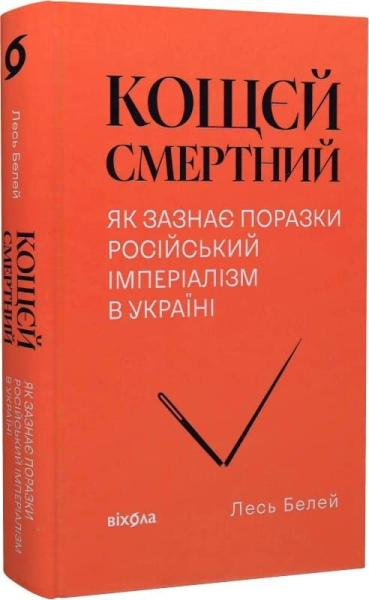
Кощєй смертний. Як зазнає поразки російський імперіалізм в Україні
Language collection: Ukrainian
$40.00
In Stock
Already Purchased
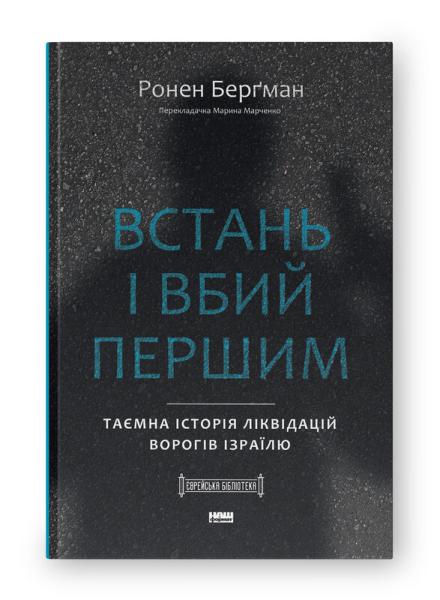
Встань і вбий першим. Таємна історія ліквідацій ворогів Ізраїлю
Language collection: Ukrainian
$59.40
In Stock
Already Purchased

У ліжку з ведмедем. Сусідство з Росією як історичний виклик
Language collection: Ukrainian
$39.10
In Stock
Already Purchased
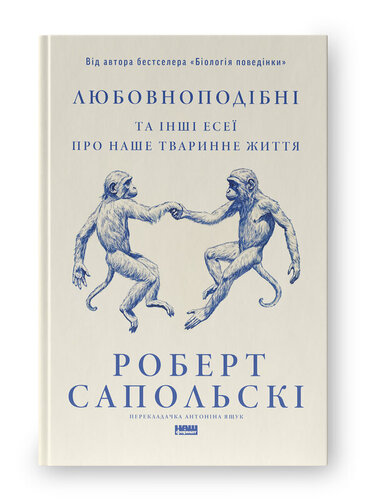
Любовноподібні та інші есеї про наше тваринне життя
Language collection: Ukrainian
$35.00
In Stock
Already Purchased
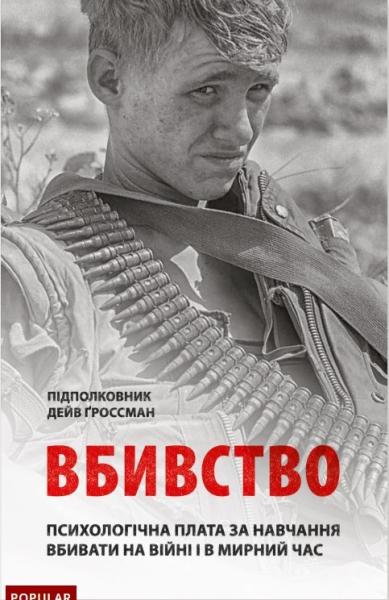
Вбивство: Психологічна плата за навчання вбивати на війні і в мирний час
Language collection: Ukrainian
$44.70
In Stock
Already Purchased

Звичайна екзотика. Історія рослин, які ми їмо
Language collection: Ukrainian
$54.40
In Stock
Already Purchased
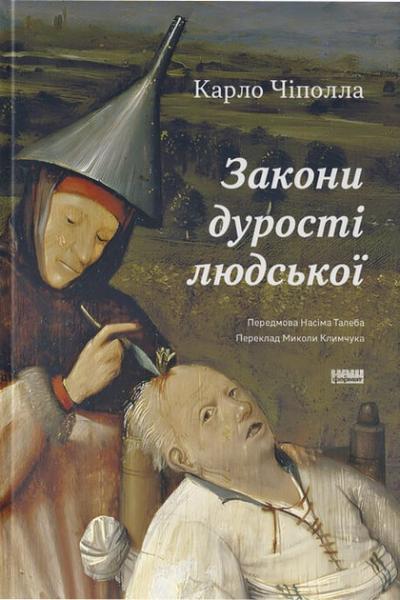
Закони дурості людської
Language collection: Ukrainian
$19.50
In Stock
Already Purchased

Всьо чотко
Language collection: Ukrainian
$65.00
In Stock
Already Purchased

Засновники. Історія створення PayPal та Кремнієвої долини
Language collection: Ukrainian
$48.90
In Stock
Already Purchased
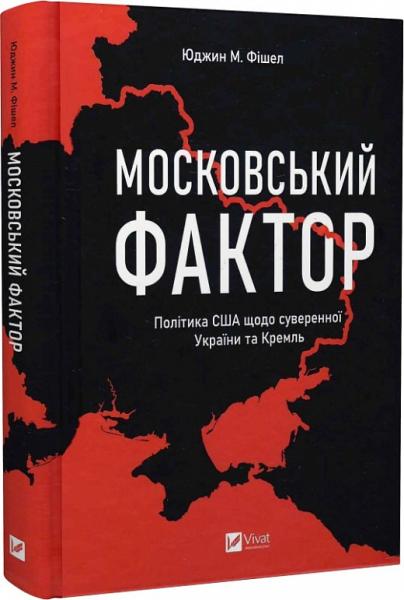
Московський фактор. Політика США щодо суверенної України та Кремль
Language collection: Ukrainian
$29.50
In Stock
Already Purchased

Як нації відновлюються: досвід Східної Азії
Language collection: Ukrainian
$24.10
In Stock
Already Purchased

Блакитний записник
Language collection: Ukrainian
$20.60
In Stock


