


New Arrival Russian Books — Download our ORDER FORM November 2026
- Biographical Fiction
- Biographies, Memoirs
- Cooking, Food, Wine
- Entertainment, Lifestyle, Family, Home
- Graphic Novels
- Health, Mind, Body
- History
- Language Learning Materials
- Literature, Fiction
- Mystery, Thrillers
- Philosophy, Politics, Social Sciences
- Reference, Scientific
- Religion, Spirituality
- Romance
- Science Fiction, Fantasy
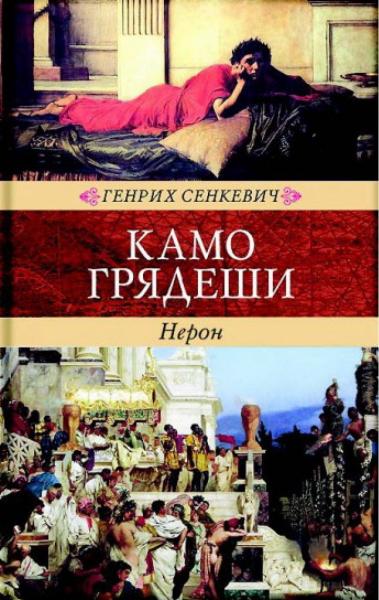
Камо Грядеши
/ Ukrainian
Available: 10+
Language Collection: RUSSIAN
«Камо грядеши» – мощное и монументальное произведение, ставшее вершиной творчества польского писателя Генриха Сенкевича. Роман восхитил современников, принес автору мировую славу и Нобелевскую премию в области литературы с формулировкой «за выдающиеся заслуги в области эпоса». Название романа «Камо грядеши» взято из древнего предания об апостоле Петре: после уничтожения в Риме христиан, апостол Петр
тайно покинул город и по дороге встретил Иисуса Христа. «Куда идешь, Господи?» – спросил он у него. Христос ответил: «Раз ты оставляешь
народ Мой, Я иду в Рим на новое распятие». После этого Петр вернулся в Рим и вскоре принял мученическую смерть. События романа развиваются на протяжении последних четырех лет правления императора Нерона (64–68 гг. н. э.), открывая перед читателями драматичную страницу римской и мировой истории. Автор детально повествует о становлении христианства в Древнем Риме, сумев тонко передать противопоставление двух миров: один – это Нерон и правящая сила административной машины, другой – духовная составляющая людей, которая жестоко подавлялась...
"Kamo gri͡adeshi" - moshchnoe i monumentalʹnoe proizvedenie, stavshee vershinoĭ tvorchestva polʹskogo pisateli͡a Genrikha Senkevicha. Roman voskhitil sovremennikov, prines avtoru mirovui͡u slavu i Nobelevskui͡u premii͡u v oblasti literatury s formulirovkoĭ "za vydai͡ushchiesi͡a zaslugi v oblasti ėposa". Nazvanie romana "Kamo gri͡adeshi" vzi͡ato iz drevnego predanii͡a ob apostole Petre: posle unichtozhenii͡a v Rime khristian, apostol Petr
taĭno pokinul gorod i po doroge vstretil Iisusa Khrista. "Kuda ideshʹ, Gospodi?" - sprosil on u nego. Khristos otvetil: "Raz ty ostavli͡aeshʹ
narod Moĭ, I͡A idu v Rim na novoe raspi͡atie". Posle ėtogo Petr vernulsi͡a v Rim i vskore prini͡al muchenicheskui͡u smertʹ. Sobytii͡a romana razvivai͡utsi͡a na proti͡azhenii poslednikh chetyrekh let pravlenii͡a imperatora Nerona (64-68 gg. n. ė.), otkryvai͡a pered chitateli͡ami dramatichnui͡u stranit͡su rimskoĭ i mirovoĭ istorii. Avtor detalʹno povestvuet o stanovlenii khristianstva v Drevnem Rime, sumev tonko peredatʹ protivopostavlenie dvukh mirov: odin - ėto Neron i pravi͡ashchai͡a sila administrativnoĭ mashiny, drugoĭ - dukhovnai͡a sostavli͡ai͡ushchai͡a li͡udeĭ, kotorai͡a zhestoko podavli͡alasʹ...
"Quo Vadis" – a powerful and monumental work that became the pinnacle of creativity of the Polish writer Henry Sienkiewicz. The novel was admired by his contemporaries, brought the author world fame and the Nobel prize in literature with the wording "for outstanding achievements in the field of epic". The title of the novel "quo Vadis" is taken from ancient legends about the Apostle Peter: after the destruction of the Christians in Rome, the Apostle Peter
secretly left the city and on the way met Jesus Christ. "Where are you going, Lord?" – he asked him. Christ answered: "if you leave
My people, I go to Rome for a new crucifixion." After that, Peter returned to Rome and was soon martyred. The events of the novel unfold over the last four years of the reign of Emperor Nero (64-68 ad), revealing to the readers the dramatic page of Roman and world history. The author narrates in detail about the formation of Christianity in Ancient Rome, managing to subtly convey the juxtaposition of two worlds: one is Nero and the ruling power of the administrative machine, the other – the spiritual component of people, which were brutally suppressed...
Product Details:
hardcover:
608 pages
Language:
Russian
Product Dimensions:
84x108/32
Shipping Weight:
ISBN:
978-5-4224-1210-5
EAN: 9785422412105
OCLC: available
EAN: 9785422412105
OCLC: available
Nonfiction
Already Purchased

Сім стовпів мудрості
Language collection: Ukrainian
$63.20
In Stock
Already Purchased

Як я заробив 500 000 000 доларів. Мемуари мільярдера
Language collection: Ukrainian
$21.80
In Stock
Already Purchased

Мільйон перший. Джохар Дудаєв
Language collection: Ukrainian
$46.00
In Stock
Already Purchased

Шекспір. Біографія
Language collection: Ukrainian
$62.20
In Stock
Already Purchased

Сонні-бой
Language collection: Ukrainian
$47.60
In Stock
Already Purchased

Автобіографія
Language collection: Ukrainian
$94.70
In Stock
Already Purchased

Генерал Кук. Біографія покоління УПА
Language collection: Ukrainian
$70.90
In Stock
Already Purchased

Біллі Айліш. Неофіційна біографія
Language collection: Ukrainian
$36.20
In Stock
Already Purchased

Гітлер, Сталін, мама й тато. Як ми родиною дивом вижили
Language collection: Ukrainian
$49.40
In Stock
Already Purchased

Чорні янголиці. Маловідома історія про медсестер, які допомогли вилікувати туберкульоз
Language collection: Ukrainian
$49.10
In Stock
Already Purchased

Террі Пратчетт: Життя з примітками
Language collection: Ukrainian
$57.60
In Stock
Already Purchased

Інший формат
Language collection: Ukrainian
$32.00
In Stock