


New Arrival Russian Books — Download our ORDER FORM September 2026
- Biographical Fiction
- Biographies, Memoirs
- Cooking, Food, Wine
- Entertainment, Lifestyle, Family, Home
- Graphic Novels
- Health, Mind, Body
- History
- Language Learning Materials
- Literature, Fiction
- Mystery, Thrillers
- Philosophy, Politics, Social Sciences
- Reference, Scientific
- Religion, Spirituality
- Romance
- Science Fiction, Fantasy
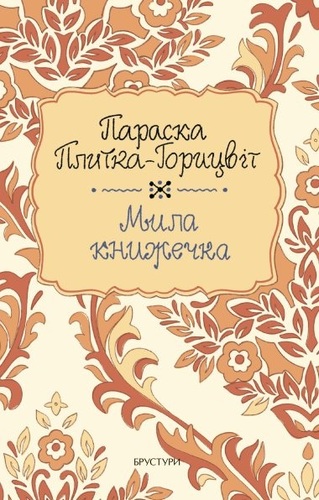
Мила книжечка
/ Ukrainian
Available: 2
Language Collection: UKRAINIAN
In 'Mylya knizhetka' (A Sweet Book), Paraska Plytka-Horytsvit tells stories from her childhood in Bystreka and Kryvorivna.
How she carved a toy raft out of wood chips and hit her finger with a knife. How she accidentally hit a neighbor's boy in the head with a stone. How, in her creative enthusiasm for carving, she cut up her father's documents with scissors... And a little bit of school, evening parties, wrapping margin, her father's blacksmithing and her mother's spinning...
These are picturesque stories from a Hutsul childhood in the interwar years of the 20th century: the daily routine, everyday life, customs. The style of the stories recreates the syntax and forms of the living Hutsul dialect.
How she carved a toy raft out of wood chips and hit her finger with a knife. How she accidentally hit a neighbor's boy in the head with a stone. How, in her creative enthusiasm for carving, she cut up her father's documents with scissors... And a little bit of school, evening parties, wrapping margin, her father's blacksmithing and her mother's spinning...
These are picturesque stories from a Hutsul childhood in the interwar years of the 20th century: the daily routine, everyday life, customs. The style of the stories recreates the syntax and forms of the living Hutsul dialect.
In 'Mylya knizhetka' (A Sweet Book), Paraska Plytka-Horytsvit tells stories from her childhood in Bystreka and Kryvorivna.<br> <br> How she carved a toy raft out of wood chips and hit her finger with a knife. How she accidentally hit a neighbor's boy in the head with a stone. How, in her creative enthusiasm for carving, she cut up her father's documents with scissors... And a little bit of school, evening parties, wrapping margin, her father's blacksmithing and her mother's spinning...<br> <br> These are picturesque stories from a Hutsul childhood in the interwar years of the 20th century: the daily routine, everyday life, customs. The style of the stories recreates the syntax and forms of the living Hutsul dialect.
In 'Mylya knizhetka' (A Sweet Book), Paraska Plytka-Horytsvit tells stories from her childhood in Bystreka and Kryvorivna.
How she carved a toy raft out of wood chips and hit her finger with a knife. How she accidentally hit a neighbor's boy in the head with a stone. How, in her creative enthusiasm for carving, she cut up her father's documents with scissors... And a little bit of school, evening parties, wrapping margin, her father's blacksmithing and her mother's spinning...
These are picturesque stories from a Hutsul childhood in the interwar years of the 20th century: the daily routine, everyday life, customs. The style of the stories recreates the syntax and forms of the living Hutsul dialect.
How she carved a toy raft out of wood chips and hit her finger with a knife. How she accidentally hit a neighbor's boy in the head with a stone. How, in her creative enthusiasm for carving, she cut up her father's documents with scissors... And a little bit of school, evening parties, wrapping margin, her father's blacksmithing and her mother's spinning...
These are picturesque stories from a Hutsul childhood in the interwar years of the 20th century: the daily routine, everyday life, customs. The style of the stories recreates the syntax and forms of the living Hutsul dialect.
Already Purchased
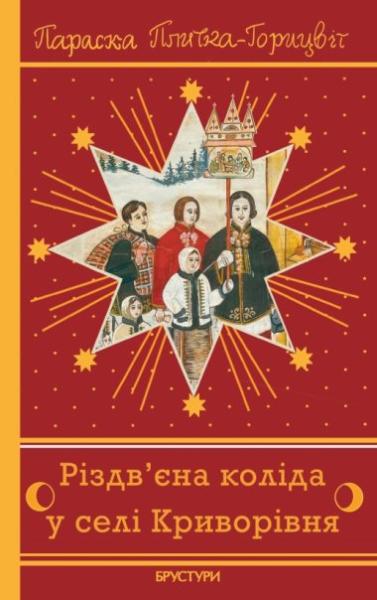
Різдв'єна коліда у селі Криворівня
Language collection: Ukrainian
$39.30
In Stock